

Recognising Lash Allergy Symptoms: What You Need to Know
- The Siri Official
- Mar 16
- 4 min read
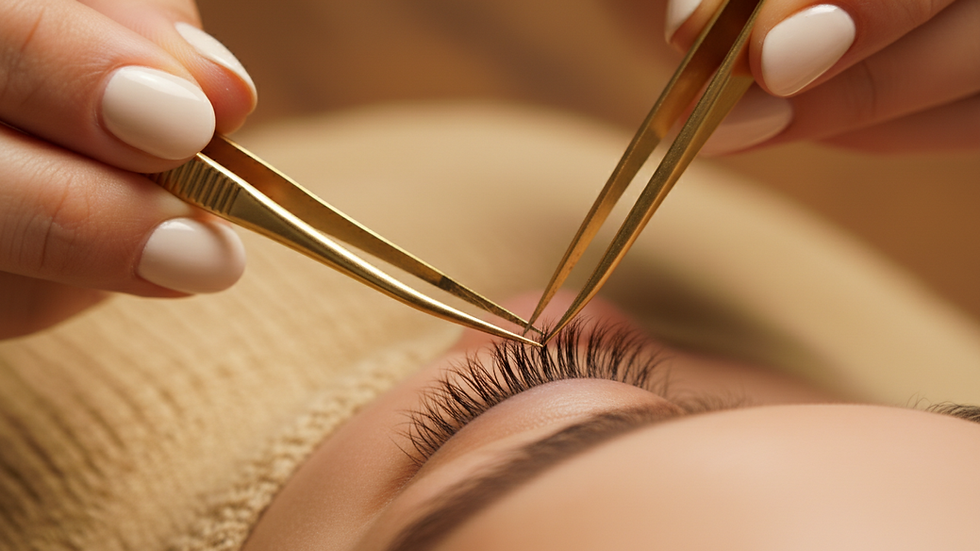
Your eyes are windows to your soul, and your lashes frame that beautiful view. But sometimes, the very thing meant to enhance your natural beauty can cause discomfort. Lash allergies are more common than you might think, and recognising lash allergy symptoms early can save you from unnecessary irritation and keep your eyes healthy and radiant.
When you choose to adorn your lashes, whether with extensions or cosmetics, it’s important to listen to your body’s signals. This guide will gently walk you through the signs to watch for, how to identify an allergy, and what steps you can take to care for your delicate eyes.
Understanding Lash Allergy Symptoms
Lash allergy symptoms can be subtle at first, but they often grow more noticeable with time. You might feel a slight itch or notice redness around your eyes. These are your body’s gentle whispers, asking for attention.
Common lash allergy symptoms include:
Redness and swelling around the eyelids
Itching or burning sensation on or near the lashes
Watery or teary eyes that don’t seem to stop
Dryness or flakiness of the skin near the lash line
Tenderness or soreness when touching the lashes
Crusting or discharge around the eyes, especially in the morning
These symptoms can appear shortly after applying lash extensions or using new lash products. Sometimes, they develop gradually, making it harder to connect the dots.

If you notice any of these signs, it’s important to pause your lash treatments and give your eyes a break. Your comfort and eye health come first.
What Causes Lash Allergies?
Lash allergies often stem from the ingredients in adhesives, mascaras, or other lash products. Your skin around the eyes is delicate and sensitive, making it prone to reactions.
Here are some common triggers:
Latex or formaldehyde in lash glue: These chemicals can cause irritation or allergic reactions.
Fragrances and preservatives in cosmetics: Even natural-sounding ingredients can sometimes cause sensitivity.
Poor hygiene or contaminated tools: Bacteria can cause infections that mimic allergy symptoms.
Repeated exposure: Sometimes, your skin becomes sensitised over time, reacting to products that were once fine.
Understanding these causes helps you make informed choices about the products you use and the professionals you trust.
How to Tell if You're Allergic to Lashes?
Knowing whether you’re allergic to lashes or lash products can be tricky. The symptoms often overlap with other eye conditions like infections or dry eye syndrome. Here’s how you can tell:
Timing of symptoms: If irritation starts soon after applying lash extensions or a new product, it’s a strong clue.
Symmetry: Allergic reactions usually affect both eyes equally, while infections might be one-sided.
Duration: Allergies tend to persist or worsen with continued exposure, while infections may improve with treatment.
Patch test: A professional can perform a patch test to identify specific allergens.
Response to removal: Symptoms often improve once the lash extensions or offending product are removed.
If you suspect an allergy, it’s wise to consult a beauty professional or healthcare provider. They can guide you through safe options and help you avoid further irritation.

What to Do If You Experience Lash Allergy Symptoms
If you notice any discomfort or irritation, don’t ignore it. Here’s a gentle plan to soothe your eyes and protect your lashes:
Remove lash extensions carefully: If you have extensions, have them removed by a professional to avoid damaging your natural lashes.
Avoid rubbing your eyes: This can worsen irritation and spread bacteria.
Use a cold compress: Applying a clean, cool cloth can reduce swelling and calm itching.
Switch to hypoallergenic products: Look for lash adhesives and cosmetics labelled as hypoallergenic or designed for sensitive eyes.
Keep your eye area clean: Use gentle, fragrance-free cleansers to remove makeup and debris.
Consult a professional: If symptoms persist, seek advice from a dermatologist or an eye care specialist.
Taking these steps can help you recover quickly and enjoy your lash treatments safely in the future.
Preventing Lash Allergies: Tips for Healthy, Happy Eyes
Prevention is always better than cure. Here are some simple, effective ways to protect your eyes and lashes:
Choose experienced technicians: Skilled professionals use high-quality products and follow strict hygiene protocols.
Ask about ingredients: Don’t hesitate to inquire about the products being used on your lashes.
Test new products: Before full application, request a patch test to check for reactions.
Maintain lash hygiene: Clean your lashes regularly with gentle cleansers designed for eyelash care.
Limit exposure to irritants: Avoid rubbing your eyes and be cautious with new makeup or skincare products near your eyes.
Listen to your body: If you feel discomfort, act promptly to prevent worsening symptoms.
By embracing these habits, you can enjoy the beauty of your lashes without worry.
Your eyes deserve the best care, and recognising the signs of a lash allergy is the first step to keeping them healthy and radiant. Remember, beauty is not just about looking good but feeling good too. When you nurture your lashes with love and attention, your natural glow shines through.
Let your eyes sparkle with confidence and comfort, knowing you have the knowledge to protect them every step of the way.


Comments